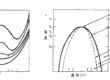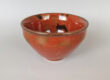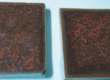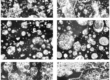

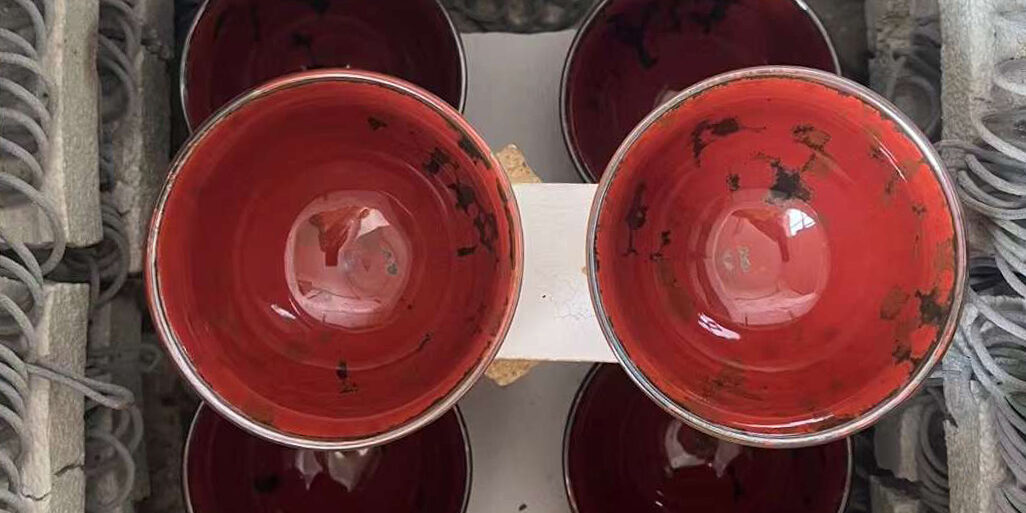
This paper, through repeated experimentation, selects an optimized base formula for iron-red crystalline glaze, and analyzes the effects of Fe2O3 content, bone-powder content, talc content, the firing regime, glaze-layer thickness, and the addition of coloring metal oxides on the glaze surface and the red-flower crystallization. Practice has shown that the mechanism by which red flowers form in iron-red crystalline glaze is the result of liquid-phase separation occurring when the supersaturated iron melt in the glaze reacts with the phosphate melt in the base glaze during firing. To achieve the ideal glaze-surface effect, the Fe2O3 content in the glaze should be controlled between 8% and 15%, the talc content between 8% and 17%, the bone-powder content between 10% and 20%, and the glaze-layer thickness between 1 and 2 mm.