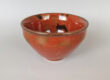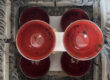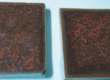

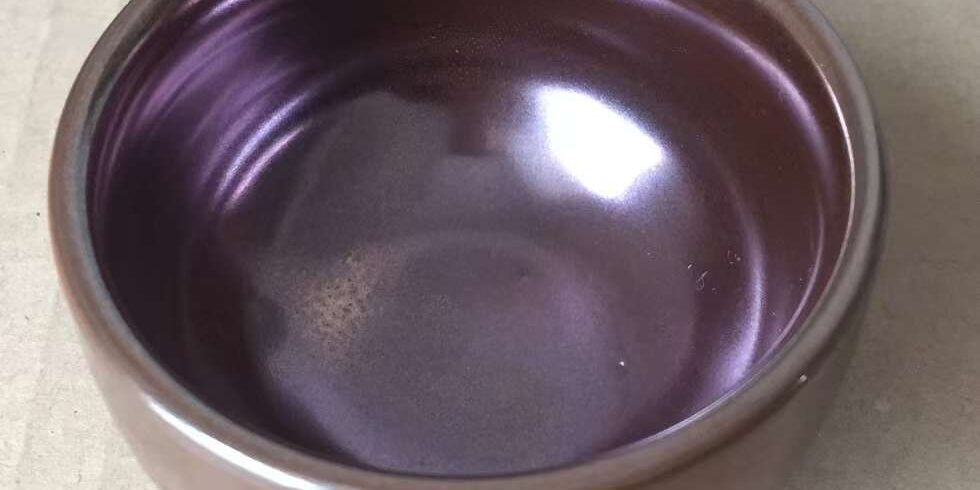
Iron-red gold-ring glaze is one of the most representative glazes in traditional Chinese ceramics, known for its deep, rich red surface and distinctive gold-ring texture. Generations of craftsmen have continued to explore its formula and firing techniques, allowing this ancient art to be passed down while continuously gaining new artistic vitality.
Historical Origins
The tradition of firing iron-red glaze can be traced back to the Tang and Song dynasties, and it gradually developed its own distinctive technical system through the accumulated experience of the Song, Ming, and Qing dynasties. Its deep, warm red tone has long been favored by imperial courts and literati, making it one of the most important glaze categories in the history of Chinese ceramics.
Production Technique
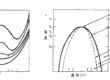
The production of iron-red gold-ring glaze demands great care. It requires raw materials rich in iron, precise formulation, multiple processing steps, and strict control of temperature and atmosphere in the kiln to achieve an even, richly textured glaze surface. The formation of the gold-ring texture depends on subtle kiln transformations during firing, which means every finished piece is one of a kind.
Artistic Value and Presentation
Iron-red gold-ring glaze is more than a glazing technique — it carries profound cultural and artistic value. Displaying works from different periods and in different styles at exhibitions and museums allows audiences to more directly experience the evolution and aesthetic appeal of this traditional craft, providing continued momentum for the preservation and innovation of iron-red gold-ring glaze.